

Shenandoah SOundcheck
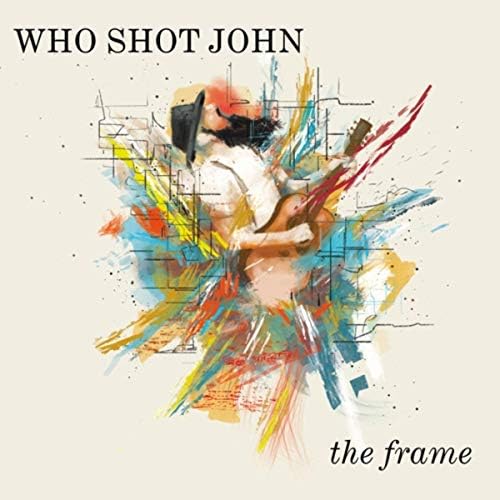
who shot john – the frame
“Their clever lines and cohesive sound lead to an excellent album that merits re-listening.“
Leif Stawarz, October 9th, 2023
Who Shot John is a Harrisonburg-based band that embraces the country and blues side of rock & roll. They have spent the last decade performing in small towns throughout Virginia and North Carolina, though they mostly play in towns throughout the Shenandoah Valley. In 2019, they released their debut (and currently only) album The Frame. When you first encounter their music, you might wonder who the John is in their name and why he got shot – the answer is that he didn’t. They have described the roots of their name in prior interviews, that a band member was watching a documentary and heard the phrase referring to moonshine. While the phrase is known for many reasons, they liked the Appalachian roots and the name stuck.
The Frame showcases Who Shot John’s sound with a diverse array of songs that range from strong yearning ballads to intense rock ‘n roll tracks that embrace the classic storytelling functions of artists like Johnny Cash and Kenny Rogers. Their strong sound is supported by sick guitar riffs and impassioned strong vocals.
The album starts out strong with “Cadillac Blues”, embracing an old school blues and rock n’ roll sound, honing in on the classic style with strong rhythmic drum and bass lines accentuated by fun guitar licks and a scratchy vocal line that outlines what the Cadillac Blues are and how they affect the singer – the song is complete with a long guitar solo towards the end that just makes you want to dance right along, inhabiting the listener with the contagious feeling of the Cadillac Blues. Evoking a sense of classic blues songs like “Heartbreak Hotel”, this song is a strong opener to the album that really establishes Who Shot John’s sound and passion.
Another standout is the track “What You Do”, which details a failing relationship where one party blames themself for the issues in their relationship, while the other party tries to help them and fails because of the former’s self-worth issues and guilt. In a clever line, the singer croons, “You try to help me be better / but I track in the devil on the soles of my shoes” with the calming sounds of a soft guitar and drums behind it. Throughout the song, the singer becomes more passionate and intense, driving home the emotion and guilt behind the song’s lyrics as the instruments build behind him, building the song to a moving end as you feel for the singer’s plight.
Then, there’s the mid-album song “Big Mean Light”, which describes the light from a window that wakes the singer up every morning. In this song, they manage to make the universal experience of heartbreak and melancholy feel unique and unanimous with the experience of listening to their laments. On its surface, this song is about being woken up the sunlight and being annoyed about it, almost animus towards the sun – but beneath that, there is a sense of depression and despondence pertaining to having to wake up again and again in the face of heartbreak and keep going when you don’t want to move on. The singer wants to wallow in it, but he has to get up every morning and move on because life goes on, even when you feel like it should be standing still.
The penultimate track, “Baby, Baby Blue”, is an emotional journey of the effects that a vagabond has on the women he loves and leaves behind. He moves from town to town, from woman to woman, falling in love with them as they imagine a future together. But eventually, he gets the urge to leave again, and she is left with the love that they had and the urge to “love him for the rest of her days”. The singer laments, “And the misty dark whispers like his new lover / as he slowly rolls away / he cried baby, baby blue / I wish I wanted to stay”, cementing that the man in the song is leaving and breaking someone’s heart – and that he knows what he’s doing. The reference to his new lover implies that the cycle is going to repeat. The folksy tune with a focus on storytelling evokes a feeling similar to Johnny Cash’s best songs, taking you on an emotional trip through these strangers’ stories and making you care about their outcome, no matter how bittersweet the ending is.
Something I appreciated about this album is that each track has its own unique sound that contributes to the cohesiveness of the album as a whole. No song sounded like the others, but it did not detract from how well the album flowed or how I would define Who Shot John’s sound. What shone through each track was how much the members cared about making good music and making music with meaning. Their clever lines and cohesive sound lead to an excellent album that merits re-listening to fully understand each intentional lyric and sound.
James Madison University
